Financing available. Click here to learn more ⟶
Financing available. Click here to learn more ⟶
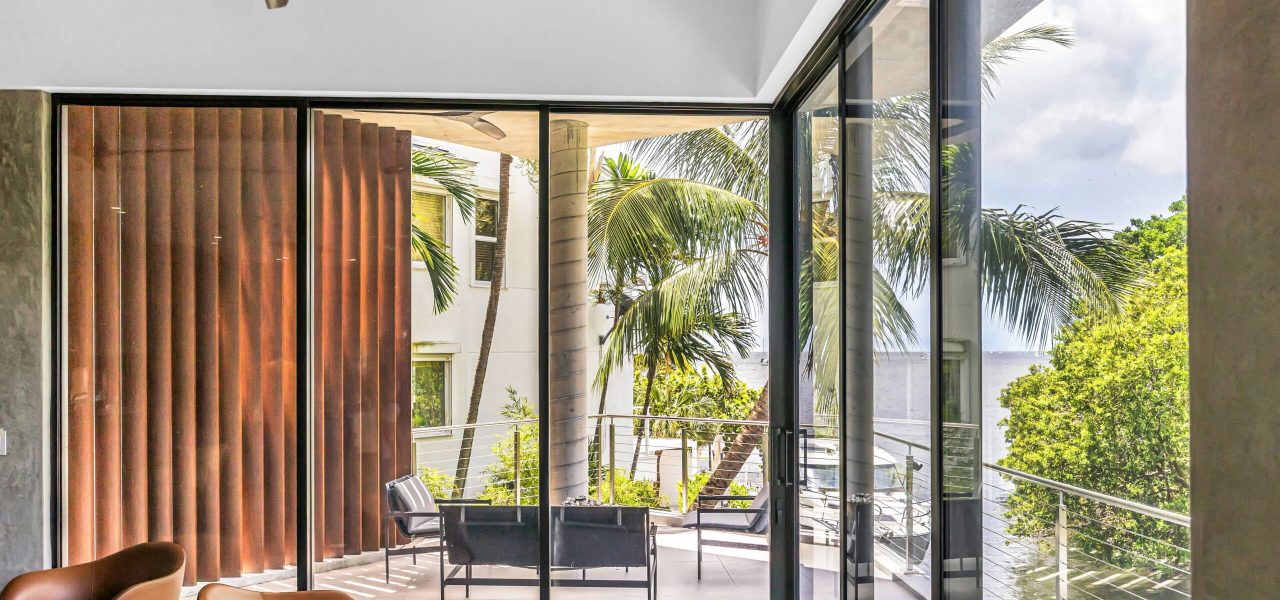
Hurricane impact windows are the single most effective home upgrade you can make in Florida, but they’re also one of the most misunderstood. Some homeowners assume any double-pane window will protect them in a storm. Others assume impact windows cost so much they’re not worth considering. Both assumptions are wrong, and both can cost you tens of thousands of dollars in storm damage or insurance premiums.
This guide explains exactly what hurricane impact windows are, how they work at the engineering level, what Florida code actually requires, what they realistically cost, how they compare to storm shutters, and how to choose the right ones for your home. Whether you’re in Tampa Bay, Miami, or anywhere across the state, by the end of this guide, you’ll know which questions to ask when you request a quote and which answers should make you walk away.
Hurricane impact windows, also called hurricane-resistant or impact-rated windows, are specially engineered windows designed to withstand high winds and flying debris during hurricanes and tropical storms. They differ from standard windows in three core ways:
The result: if debris strikes the window, the glass may crack, but it won’t shatter and collapse inward. Your home’s envelope stays sealed. That single difference is what prevents catastrophic damage during a major storm.
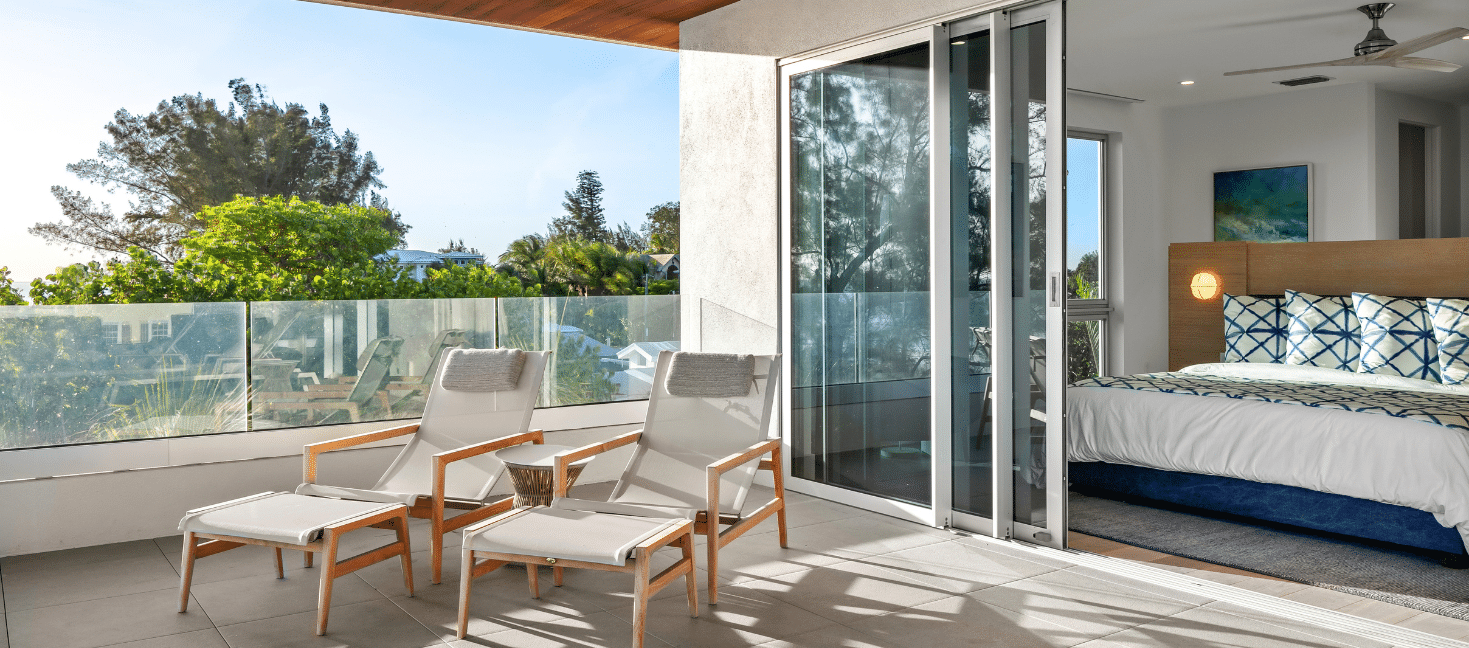
To understand the value, it helps to understand what causes hurricane damage in the first place. The conventional assumption is that hurricane winds rip homes apart from the outside in. The reality is the opposite. Most catastrophic hurricane damage starts when the home’s envelope breaches and pressure equalizes.
During a hurricane, wind pressure builds against your home. As long as the home’s envelope stays intact, those pressures stay outside. But if a single window breaks, wind enters and pressure builds rapidly inside, pushing outward against your roof and walls. This internal pressure is what lifts roofs off houses. Impact windows are tested for Design Pressure (DP) ratings, ensuring they can withstand both the inward (positive) and outward (negative) wind loads typical of coastal Florida storms.
Flying debris is the leading cause of window failure in hurricanes, far more than wind alone. To earn impact-rated certification in Florida, windows must pass two tests:
Even after the test impact, the window must stay in place and keep doing its job. That’s why impact windows protect against both the initial debris strike and the hours of sustained wind that follow.
Florida has some of the strictest building standards in the country, and impact window requirements vary by location. Here’s how it breaks down.
If you live in Miami-Dade or Broward County, you’re in the HVHZ, the only two counties officially designated as such under the Florida Building Code. Windows here must withstand wind speeds of 170–200 mph and pass the strictest impact tests in the country. Products must carry either a Miami-Dade Notice of Acceptance (NOA) or a Florida Product Approval certified for HVHZ use.
Pinellas, Hillsborough, Sarasota, Palm Beach, and most other coastal counties fall under wind-borne debris region requirements. Impact-rated windows are required (or shutters as protection), but the testing thresholds are slightly less extreme than HVHZ, typically rated for design wind speeds of 140–170 mph. If you’re in Tampa Bay, Clearwater, or Sarasota, this is your category.
Jacksonville and surrounding North Florida sit in a lower wind-speed zone (typically 130–140 mph design speed). Impact-rated windows aren’t always mandatory here, but they’re often the smartest investment given long-term hurricane risk.
Inland counties like Orange (Orlando) face lower wind-speed requirements (generally 120–140 mph design speed) and aren’t subject to wind-borne debris rules. Impact windows aren’t required, but homeowners increasingly choose them for energy efficiency and insurance discounts.
Whatever region you’re in, any impact window installation in Florida must:
Cutting corners on any of these, especially installation, voids manufacturer warranties, fails inspection, and forfeits any insurance discounts. This is why choosing experienced local installers matters more than the product brand alone.
Most articles on this topic dance around the numbers. Here’s the honest range based on Florida 2026 pricing:
Those numbers sound steep until you run the full ROI math. Hurricane impact windows return value through five separate channels:
Combine the discounts, savings, credits, and value lift, and most Florida homeowners recover their entire window investment within 7–12 years, and that’s before the storm protection ever pays off.
Hurricane shutters can satisfy the same code requirement as impact windows in most Florida regions, and they cost less upfront. So which is right for you? Here’s the honest comparison.
For most permanent Florida residents, impact windows win on a 10-year cost-of-ownership basis once you factor in insurance discounts, energy savings, and the absence of pre-storm labor. For seasonal residents and tight-budget situations, shutters remain a reasonable choice.
When comparing quotes, focus on five things in this order:
If a quote skips any of these specifics, keep shopping.
Yes, they're tested to withstand a 9-pound 2×4 fired at 34 mph and thousands of subsequent pressure cycles. The laminated PVB interlayer holds glass together even when cracked, keeping your home's envelope sealed during the storm.
It depends on your county. Miami-Dade and Broward (HVHZ) require them or approved shutters. Coastal counties like Pinellas, Hillsborough, and Sarasota require impact-rated protection (windows or shutters). Inland counties like Orange (Orlando) don't require them, but many homeowners install them anyway for energy savings and insurance discounts.
Expect $1,000–$3,000 per window installed, or $15,000–$40,000+ for whole-home replacement on an average single-family home. Premium European-style systems cost more upfront but deliver better long-term performance.
Yes. Florida insurers commonly reduce premiums by 10–35%, with the largest discounts in coastal counties like Sarasota and St. Petersburg.
For year-round residents, yes, they offer passive 24/7 protection plus energy savings, noise reduction, UV blocking, and added home value, with no labor before each storm. Shutters are more affordable upfront and work well for seasonal residents or limited budgets.
Yes. Through 2032, qualifying ENERGY STAR Most Efficient impact windows qualify for a federal tax credit of 30% of cost, up to $600 annually under the Inflation Reduction Act.
Most Florida homeowners recover their full investment within 7–12 years through combined insurance savings, energy reductions, tax credits, and increased home value, before any storm protection value is realized.
Confirm Florida Product Approval or Miami-Dade NOA, verify the Design Pressure (DP) rating matches your local code, check the frame material, confirm the installer is Florida-licensed with local references, and review warranty terms (look for 10+ years on glass seal failure and lifetime on the frame).
Yes. The same laminated glass that resists debris also reduces outside noise, blocks UV rays that fade furniture, and acts as a deterrent against forced-entry break-ins.
The glass may crack on heavy impact, but the PVB interlayer holds the pieces together so the window stays in the frame and your home's envelope remains sealed, which is the entire point.

Hurricane impact windows aren’t a one-size-fits-all purchase in Florida; your county’s code, your home’s exposure, your energy goals, and your budget all shape the right answer. At A&J Windowhaus, we work across the entire state from our St. Petersburg headquarters out to Tampa, Clearwater, Sarasota, Jacksonville, Orlando, and Miami. Every quote we provide is built specifically for your home, not a generic estimate, and we walk you through every certification number and rating so you understand exactly what you’re buying.






Copyright © 2026 All Rights Reserved.