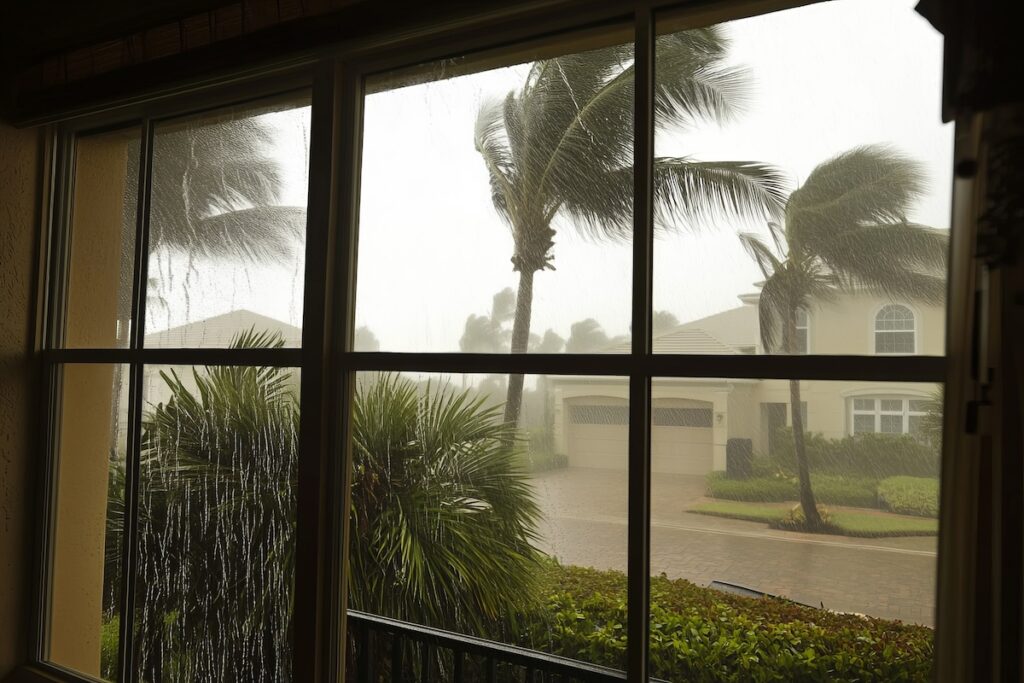
Hurricane Preparedness Checklist for Tampa Homeowners 2026
Tampa homeowners know the importance of being ready for hurricane season. Located along Florida’s Gulf Coast, our region enjoys beautiful beaches but faces the risk of tropical storms and hurricanes almost every year. Proper preparation can protect your family, your home, and your peace of mind. This checklist helps you prepare before, during, and after storms, including how impact windows add an extra layer of protection.
Why Tampa Is Vulnerable to Hurricanes
Tampa’s geography and history make it particularly susceptible:
- Gulf Coast Location: Warm waters fuel tropical storms that often head north toward Tampa.
- Storm Surge Risk: Low-lying coastal areas face flooding even if winds are moderate.
- Historical Storms: Tampa has experienced significant hurricanes and tropical storms over the decades.
- Population Growth: More homes and infrastructure in high-risk areas increase exposure.
- Understanding these risks is the first step in Tampa hurricane preparedness

Before Hurricane Season
Preparation before June 1 is key.
1. Install Impact Windows
- • Gulf Coast Location: Warm waters fuel tropical storms that often head north toward Tampa.
- • Storm Surge Risk: Low-lying coastal areas face flooding even if winds are moderate.
- • Historical Storms: Tampa has experienced significant hurricanes and tropical storms over the decades.
- • Population Growth: More homes and infrastructure in high-risk areas increase exposure.
- • Cash and local maps
2. Emergency Kit Essentials
- • Water (1 gallon per person per day)
- • Non-perishable food for at least 3 days.
- • Flashlights, batteries, and a NOAA weather radio
- • First aid kit and sanitation supplies
- • Copies of important documents
- • Phone chargers and power banks
- • Phone chargers and power banks
3. Know Your Evacuation Zone
- • Tampa uses zones A–E to indicate flood and storm surge risk.
- • Identify your zone and plan your evacuation route.
4. Document Your Home
- • Take photos and videos of your home’s interior and exterior.
- • Helps with insurance claims if damage occurs.
7-Day Warning Checklist
- Review evacuation routes
- Fuel vehicles
- Check and update your emergency kit
- Charge devices and power banks
- Bring in outdoor furniture and valuables
- Check on neighbors who may need help
3-Day Warning Checklist
- Secure impact windows and doors
- Refill prescriptions and essential medications
- Move vehicles to higher ground
- Protect important documents in waterproof bags
- Prepare pets with carriers, food, and water
- Stay updated with weather alerts
1-Day Warning Checklist
- Store remaining loose items indoors
- Unplug electronics and secure appliances
- Move valuables off the floor in case of flooding
- Confirm your evacuation plan with family
- Stay indoors and monitor local news
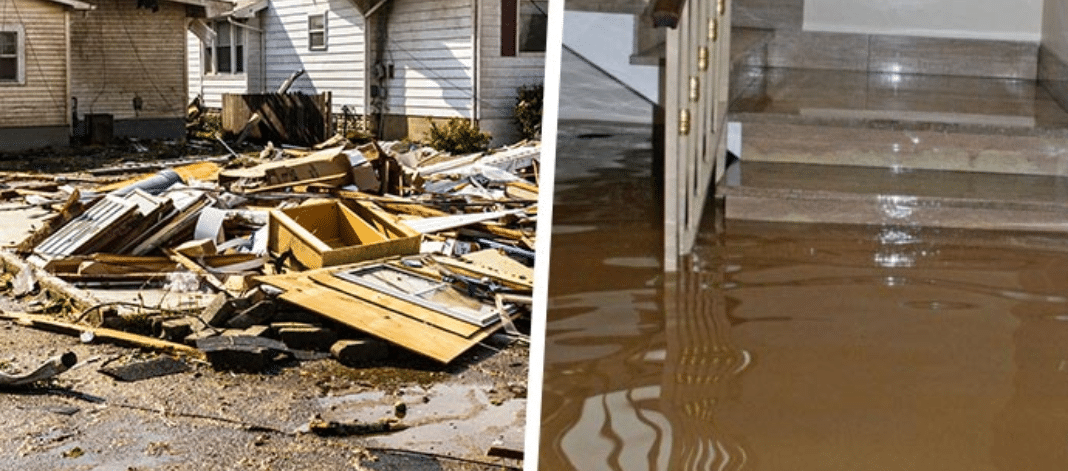
After the Storm: Safety & Insurance Claims
After a hurricane, ensure safety first—avoid hazards and wear protective gear. Document all damage with photos and videos to support insurance claims.
Secure your home with temporary fixes like covering broken windows and move valuables to a safe spot. Contact your insurance company promptly and keep all receipts organized.
For future storms, consider hurricane impact windows to protect your home and family. A&J Windowhaus can help with expert installation and repairs.
How Impact Windows Protect Your Home
Hurricane impact windows are designed to withstand strong winds and flying debris, keeping your home safe during storms.
- • Safety for family and pets: Strong glass prevents shards from entering your home.
- • Protects property: Reduces damage to walls, furniture, and interiors.
- • Energy efficiency: Many impact windows help regulate indoor temperature year-round.
- • Insurance benefits: Some policies offer lower premiums for homes with impact windows.
Investing in impact windows is a smart way to safeguard your home, your belongings, and your peace of mind.