Financing available. Click here to learn more ⟶
Financing available. Click here to learn more ⟶
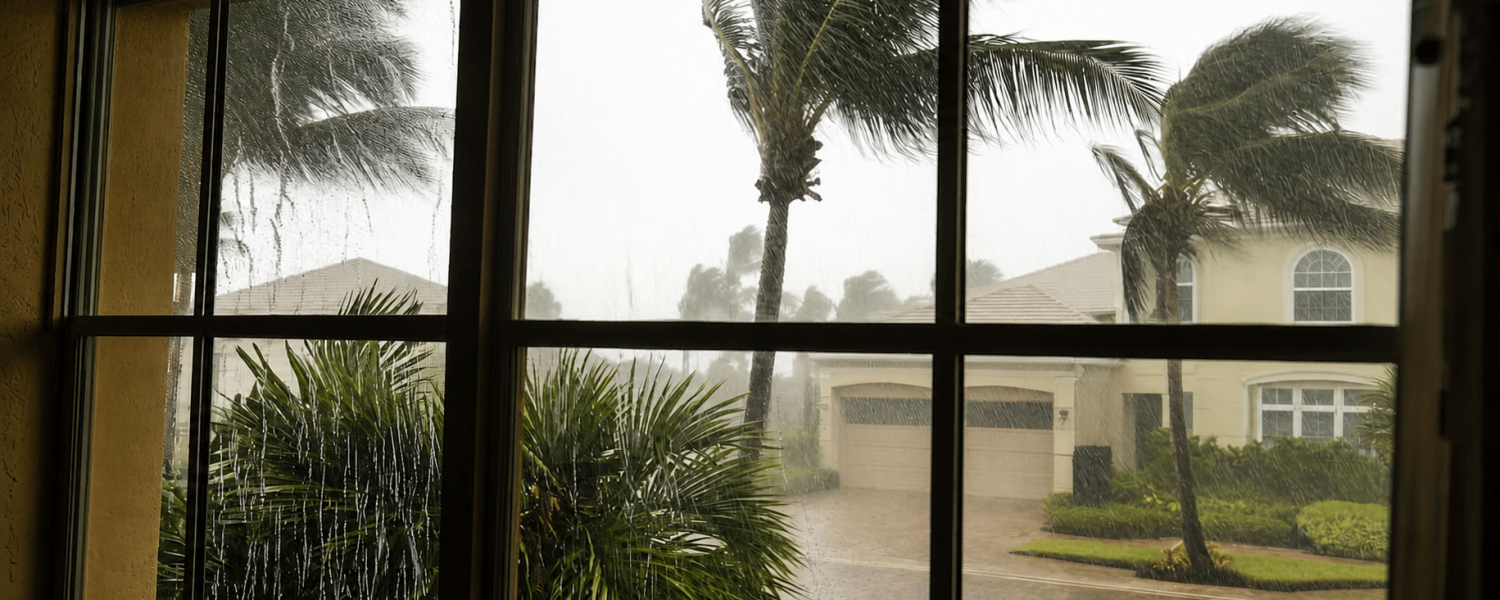
Hurricane season in Tampa runs June 1 through November 30, but the homeowners who weather it well are the ones who started preparing in April. This checklist walks you through what to do before the season starts, what to do as a storm approaches at 7 days, 3 days, and 1 day out, and what to handle after the storm passes. It’s organized so you can come back to it throughout the season, bookmark it, share it with your family, and use the timed sections to stay ahead of every warning.
It also explains where your windows fit into all of this, because once a hurricane reaches your home, your windows are usually the first line of defense, or the first point of failure. We’ll cover both.
Tampa’s geography puts it in a tougher position than most U.S. coastal cities, and the risk has grown over the last two decades:
Understanding this is the foundation of real preparedness. The goal isn’t paranoia, it’s a calm, repeatable plan you can execute every season.

April and May are when serious preparation happens. Once a storm is named, supplies disappear from store shelves and contractors are booked solid. Handle these tasks now.
Hillsborough County uses zones A through E, with Zone A being the most vulnerable to storm surge and the first to be evacuated. Zone E is the least vulnerable. Look up your specific address using Hillsborough County’s Hurricane Evacuation Assessment Tool (HEAT). Don’t guess, neighborhoods can sit in different zones, house by house.
Following ready.gov guidelines, every Tampa household should have:
Walk through your home with your phone and record video of every room, including closets and garage contents. Photograph valuables individually. Email the files to yourself or upload to cloud storage so they survive even if your phone doesn’t. This documentation is what makes insurance claims go smoothly after a storm.
Your roof, doors, and windows are what stand between hurricane winds and the inside of your home. Before the season, inspect all three:
When a storm is tracking toward Florida and Tampa is in the cone of uncertainty, start working through this list:
Bring all remaining loose items indoors; anything left outside becomes a projectile
Hurricane preparation isn’t only a Tampa concern. The same storms that threaten Tampa Bay routinely affect Pinellas County (Clearwater and St. Petersburg), Sarasota, and points south along the Gulf Coast, and even inland communities like Orlando that get hammered by wind and flooding hours after landfall.
If you’re inland in Orange County or central Florida, you won’t deal with storm surge, but you will face hurricane-force winds, tornadoes spawned by the outer bands, prolonged power outages, and flash flooding. Many of the same checklist items apply.
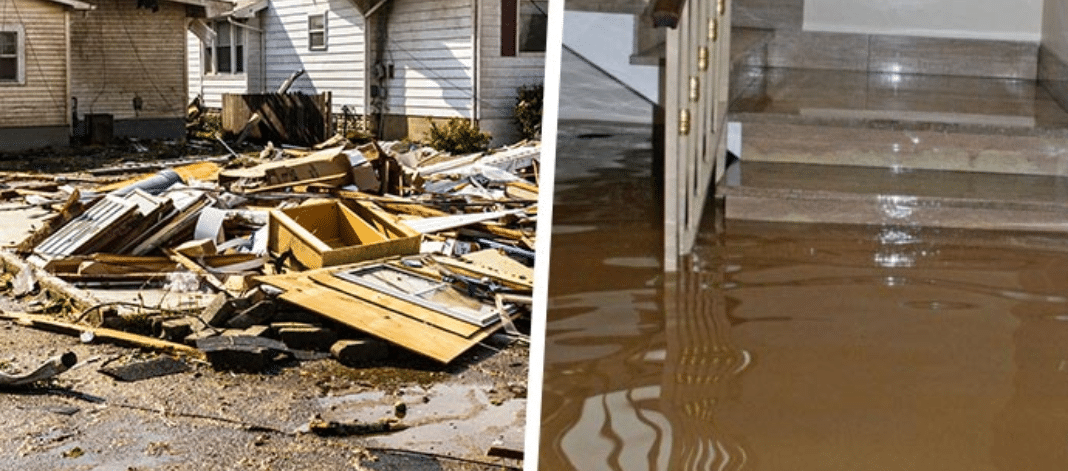
The first 24 hours after a hurricane are statistically more dangerous than the storm itself, mostly because of unsafe cleanup decisions and downed power lines. Slow down.
Don’t run a generator inside your home or garage: Carbon monoxide poisoning kills more people after hurricanes than the storms themselves.
Honest take: impact windows are not a substitute for evacuation if you’re in Zone A and a major hurricane is coming. No window stops storm surge or saves a flooded ground floor.
But for the much more common scenario, a Category 1, 2, or 3 storm with sustained winds and flying debris, where most Tampa homeowners shelter in place, impact windows make a meaningful difference. They’re laminated glass bonded to a tear-resistant interlayer, engineered to hold together even when struck by debris. Standard windows shatter; impact windows crack but stay in place, keeping your home’s envelope sealed and protecting everyone inside.
Beyond the storm itself, impact windows pay off year-round:
In Miami-Dade and Broward counties, impact windows are required by code under the High-Velocity Hurricane Zone designation. Tampa isn’t in HVHZ, but the storm risk is comparable enough that many Tampa Bay homeowners are choosing impact windows anyway.
Start in April. Hurricane season officially begins June 1, but supplies, contractors, and impact window installations all get backed up the moment a storm is named. The homeowners who weather storms well are the ones who built their kit, documented their home, and inspected their roof and windows before the season started.
Use Hillsborough County's Hurricane Evacuation Assessment Tool (HEAT) and look up your specific address. Zones run A through E, with Zone A being the most surge-vulnerable and the first to be evacuated. Don't rely on what your neighbor's zone is, homes on the same block can sit in different zones.
Follow the orders for your zone. If you're in Zone A or B and a major hurricane is approaching, evacuate early; roads close as winds rise. If you're inland and outside an evacuation zone, sheltering in place is usually safer than driving into traffic. Identify a safe room beforehand: interior, no windows, lowest level that won't flood.
Water is non-negotiable, one gallon per person per day, with a 7-day supply ideal for hurricanes (3 days is the minimum). Beyond water, the items most people forget are cash in small bills (ATMs and card readers fail when power's out) and waterproofed copies of insurance policies and IDs.
No. Impact windows hold up against debris and sustained winds in Cat 1–3 storms, and they remove the scramble to install plywood every time a storm approaches. But no window stops storm surge. If you're in Zone A and a major hurricane is forecast, you still evacuate.
Stay inside until officials confirm it's safe. The calm eye fools people into going out before the back half of the storm hits. Avoid all standing water (it can be electrified or contaminated). Document damage with photos and video before you start cleanup, then contact your insurance company immediately. And never run a generator inside your home or garage, carbon monoxide kills more people after hurricanes than the storms themselves.
Most Florida policies cover wind damage but require a separate flood insurance policy for storm surge and flood damage, and flood policies typically have a 30-day waiting period, so you can't buy it once a storm is in the cone. Check both policies before June 1, and ask your agent specifically about hurricane deductibles, which are often a percentage of your home's insured value rather than a flat dollar amount.

A hurricane preparedness checklist is only as good as the plan behind it. The supplies, the documents, the evacuation route, all of that matters. But the single biggest physical upgrade you can make to your home before storm season is replacing standard windows with impact-rated ones.
A&J Windowhaus serves homeowners throughout Tampa Bay and across Florida, from St. Petersburg to Clearwater, Sarasota, Orlando, Jacksonville, and Miami. Every quote we provide is built specifically for your home, your storm exposure, and your budget.






Copyright © 2026 All Rights Reserved.